Undergraduate Admission
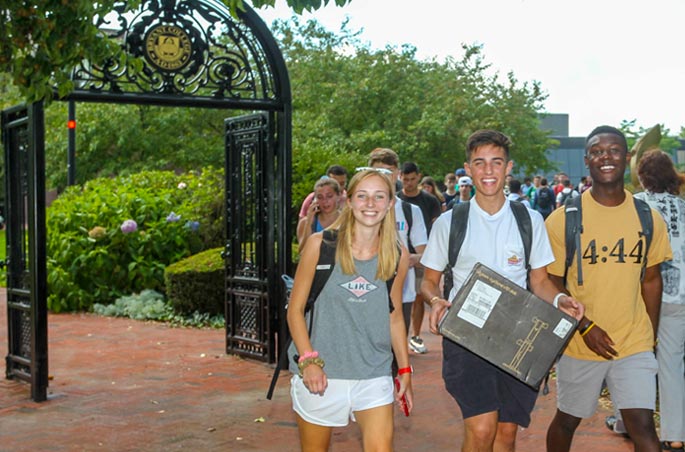
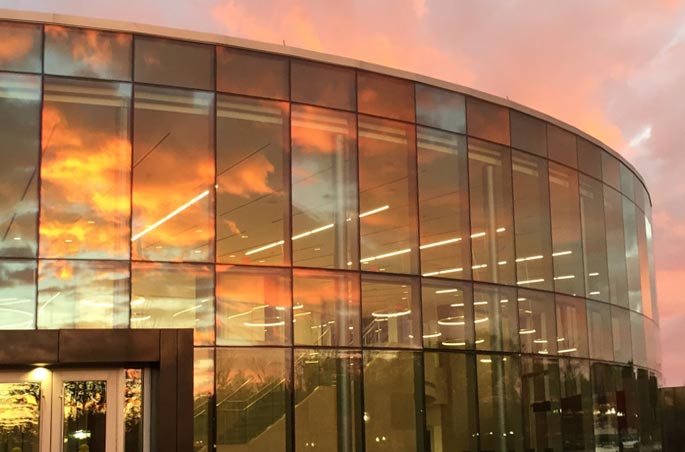
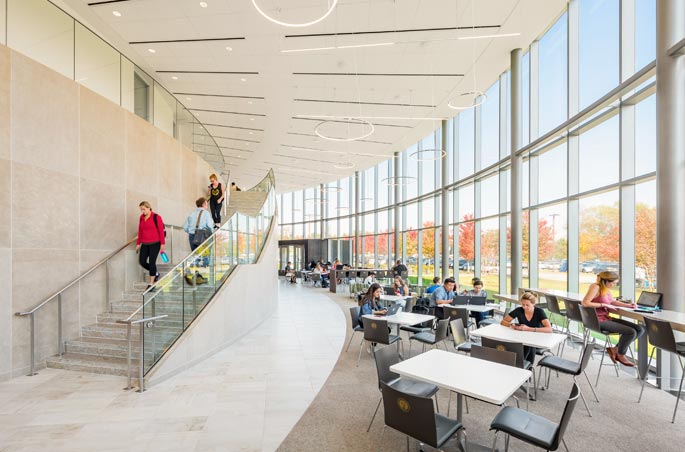
Discover your passion and find your purpose. From small classes and vibrant student life to our award-winning campus facilities, you’ll have the resources you need to excel. Be transformed by Bryant.

Create Your Path
Discover Bryant's innovative curriculum at the intersection of business, liberal arts, and the health sciences, and see how combining passion with purpose can yield infinite opportunities.
Test Optional
We know every applicant has a unique combination of skills. Our test-optional policy has been our way of looking at the whole person and not just your numbers.
Upcoming Deadlines
Nov
01
Nov
15
Jan
16
Feb
01
Student Profiles

Ramsha Gul ’25
“Everyone is so welcoming, and they are ready to help you with whatever you need. My professors know me by name and what I want to do in my career and life. Bryant will make sure that you never feel alone or lost here.”

Patrick Roth ’24
“Bryant is the perfect combination of all the things I enjoy about learning. I’ve been able to study business and liberal arts at the same time through the international business program and my concentration of marketing.”

Danielle Latty ’24
“Be yourself, unapologetically, because that will always be enough here at Bryant. We accept everyone for who they are, and we learn from meeting new people who come from different backgrounds and experiences.”
Applying to Bryant
WHAT'S THE DIFFERENCE BETWEEN EARLY DECISION AND EARLY ACTION?

“Early Decision is binding and means that, if accepted, you’ll attend Bryant. Early Action is nonbinding. If accepted, you have until May 1 to make your decision.”
Being part of a community accelerates your success. That’s why we’re eager to answer your questions at every stage of the application process.
Being part of a community accelerates your success. That’s why we’re eager to answer your questions at every stage of the application process.
WHAT'S THE DIFFERENCE BETWEEN EARLY DECISION AND EARLY ACTION?
“Early Decision is binding and means that, if accepted, you’ll attend Bryant. Early Action is nonbinding. If accepted, you have until May 1 to make your decision.”
Financial Aid at Bryant
WHEN SHOULD I COMPLETE A FREE APPLICATION FOR FEDERAL STUDENT AID (FAFSA) FOR FALL 2022?

“While the FAFSA for students seeking a September 2023 entrance should be completed no later than February 15, 2023, it is strongly recommended that all students take advantage of the October 1, 2022 availability of the FAFSA on the web and complete the form as early as possible.”
Nothing should stop you from getting the Bryant education you want. Our wide range of financial aid options help you plan for your current, and future, life circumstances.
Nothing should stop you from getting the Bryant education you want. Our wide range of financial aid options help you plan for your current, and future, life circumstances.
WHEN SHOULD I COMPLETE A FREE APPLICATION FOR FEDERAL STUDENT AID (FAFSA) FOR FALL 2022?
“While the FAFSA for students seeking a September 2023 entrance should be completed no later than February 15, 2023, it is strongly recommended that all students take advantage of the October 1, 2022 availability of the FAFSA on the web and complete the form as early as possible.”
Student Life
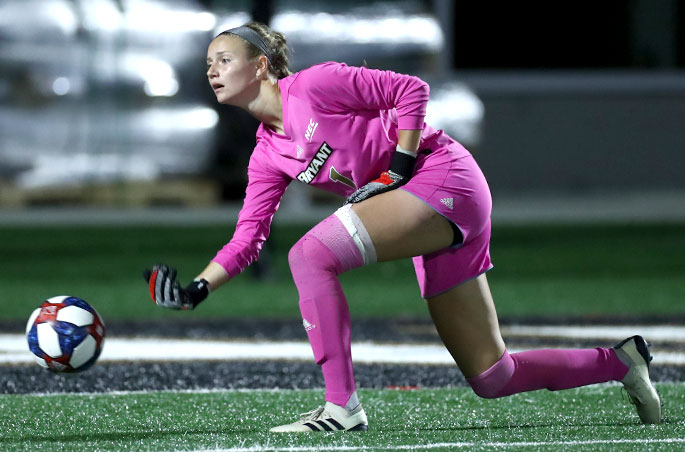
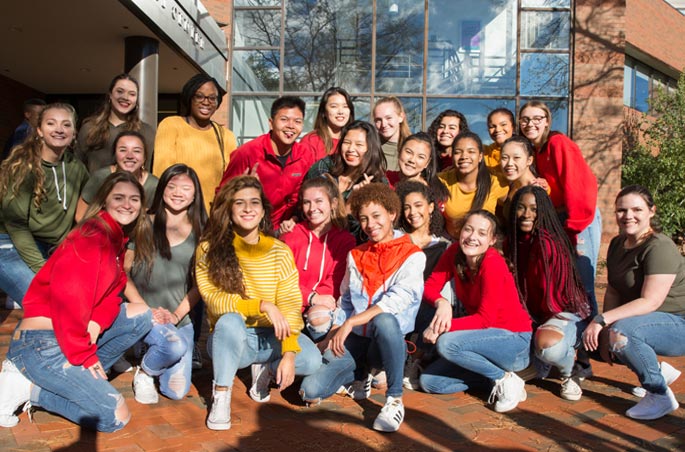
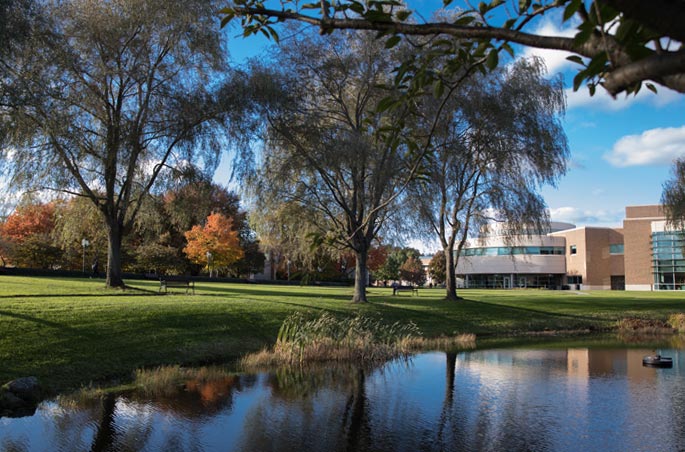
Learning comes to life outside the classroom. Our student groups and campus environment are all designed to enrich your experience.